
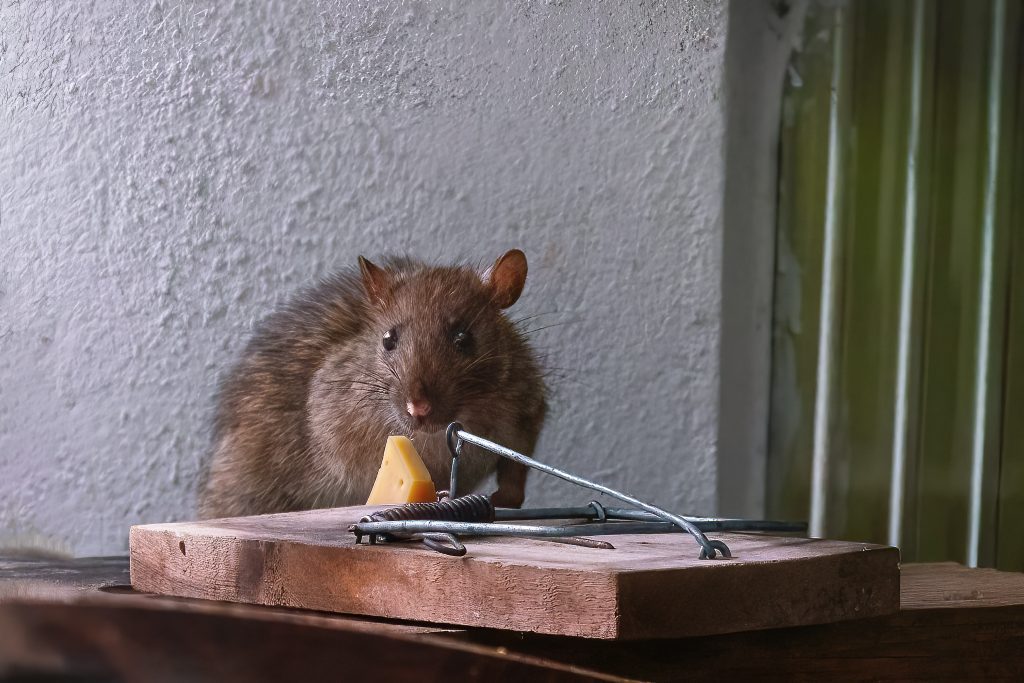
Living in West Palm Beach means enjoying pristine beaches, vibrant nightlife, and a tropical climate that feels like a year-round vacation. Unfortunately, humans aren’t the only ones who love the South Florida heat. The region is a hotspot for various invasive mammals, and if you aren’t careful, your home can quickly become a sanctuary for a rodent infestation.
From the small house mice that scurry through your pantry to the more agile roof rats and stocky Norway rats, these pests are constantly looking for a way in. In this guide, we’ll explore what truly works to keep them out, from popular DIY repellents to the necessity of professional pest control.
Understanding the Local Rodent Pressure
In Palm Beach County, the battle against rodents is constant. Because we don’t have a true “winter” to kill off populations, the rodent pressure remains high throughout the year.
- House Mice: These are the most common indoor invaders. They are prolific breeders, and a few mouse pups can turn into a colony in weeks due to their rapid reproductive behavior.
- Roof Rats: Common in coastal areas, these rodents prefer high places like vents and chimneys, utility lines, and attics.
- Norway Rats: These prefer lower levels, often nesting in crawl spaces, under garage and basement doors, or near compost piles.
Identifying the signs of a rat infestation, such as gnaw marks on wood, grease marks along baseboards, a distinct urine odor, or small droppings, is the first step in protecting your property.
Popular DIY Repellents: Fact vs. Fiction
When homeowners first notice a mouse, they often turn to natural repellents found in the kitchen. While these may offer a temporary deterrent, it’s important to understand their limitations.
Essential Oils and Spices
Many people swear by peppermint oil and other essential oils like clove or eucalyptus. The theory is that the strong scent overwhelms the mouse’s sensitive nose. Similarly, cayenne pepper, chili powder, and even dryer sheets are often placed near suspected entry points.
While these DIY repellents might cause a mouse to turn around temporarily, they do not address the root of the problem. Mice are highly adaptable; once they realize the “scary” smell isn’t a physical threat, they will often bypass it to reach food sources or a reliable water supply.
The “Predator” Approach
Some suggest using predator urine (like fox or coyote) or even cat urine to scare mice away. Others invest in ultrasonic devices that emit high-frequency sounds. However, scientific evidence on these is mixed at best. In a lush environment like West Palm Beach, rodents are often used to the sounds and smells of various animals, making these methods less effective over time.
Habitat Reduction: Removing the “Welcome” Sign
The most effective way to repel mice is to make your home less attractive to them through habitat control and habitat reduction.
- Eliminate Food Attractants: Store all grains and pet food in airtight containers. Clean up fallen fruit from fruit trees and keep bird baths or elevated garden beds away from the home’s foundation.
- Manage Outdoor Spaces: Clean up compost piles and remove piles of debris that could serve as nesting materials.
- Reduce Moisture: Fix leaky pipes and ensure crawl spaces are dry. A consistent water supply is a major draw for Norway rats.
The Importance of Rodent Exclusion
If you want to keep mice out for good, you must seal entry points. Mice can fit through a hole the size of a dime. A thorough home inspection often reveals structural vulnerabilities such as foundation cracks, gaps and cracks around utility lines, and poorly screened exhaust vents or appliance outlets.
Pro-Tip for Sealing: Use steel wool, copper mesh, or steel or copper wool to fill small gaps, as rodents cannot chew through these metals.
- For larger openings like vents and chimneys, install heavy-duty hardware cloth (mesh).
- Check garage and basement doors for worn weather stripping.
When to Call the Professionals
While snap traps, mouse traps, live traps, and battery-powered electronic traps can help remove a stray mouse, they are often a “band-aid” fix for a larger rodent management issue. If you find yourself constantly replacing glue traps or finding new gnaw marks, it’s time for a pest management plan designed by rodent control professionals.
Why Professional Pest Control Matters
A certified pest control technician does more than just set a rodent trapping line. They provide a comprehensive rodent control service that includes:
- Visual Inspection: A professional pest inspection to find hidden entry points and nesting sites.
- Rodent Exclusion: Using professional-grade materials like hardware cloth and specialized sealants to permanently seal entry points.
- Strategic Baiting: Utilizing tamper-resistant bait stations with rodenticide bait or poison bait in a way that is safe for families and pets.
- Advanced Technology: Some pest control companies now offer a SMART rodent control system that monitors activity 24/7, catching a rodent infestation before it starts.
- Safety and Health: Rodents carry disease-causing bacteria and viruses like hantavirus pulmonary syndrome. Professionals offer decontamination services and disinfection services, using a HEPA-grade vacuum to safely remove droppings and nesting debris.
A Long-Term Solution for West Palm Beach
In the tropical environment of South Florida, a “set it and forget it” attitude toward mice usually leads to trouble. While peppermint oil and cayenne pepper might make your kitchen smell nice, they aren’t a match for the persistence of a hungry mouse.
The most effective preventative measures combine diligent habitat control with professional pest inspections. By addressing structural vulnerabilities and maintaining a clean perimeter, you can enjoy your West Palm Beach home without the uninvited guests.
If you suspect your DIY methods aren’t quite cutting it, reaching out for rodent control services in West Palm Beach is the best way to protect your home’s value and your family’s health.