
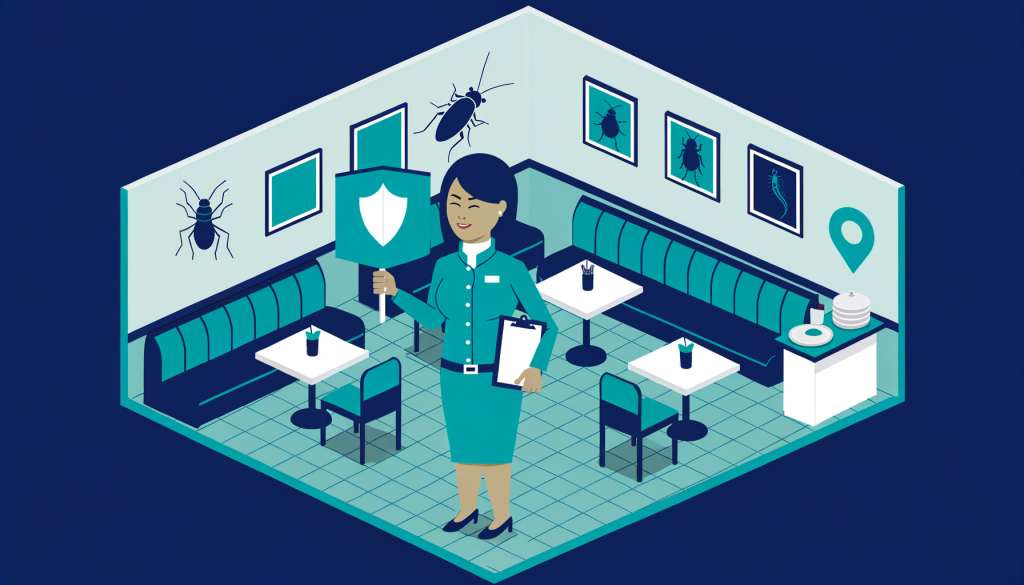
Restaurant Pest Control in West Palm Beach: How to Avoid Health Code Violations and Customer Complaints
Restaurants in West Palm Beach face unique pest pressures: warm, humid weather; abundant vegetation near properties; and a steady flow of tourists and local foot traffic. Effective restaurant pest control West Palm Beach requires a blend of proactive sanitation, facility maintenance, staff training, and rapid remediation when problems appear. This article explains practical, inspector-focused steps restaurants can take to reduce the risk of health code violations and minimize customer complaints.
Why pests are a high-risk issue for restaurants here
The climate and environment of South Florida create ideal conditions for many common restaurant pests – rodents, cockroaches, ants, and flies – to thrive year-round. In restaurants, these pests threaten food safety by contaminating food contact surfaces, food storage, and service areas. Health inspectors emphasize visible cleanliness, evidence of pest activity (droppings, grease marks, live or dead insects), and the presence of preventive measures such as exclusion and monitoring.
Key components of an effective pest-control program
An enforceable, inspector-friendly pest-control program for restaurants should include the following elements:
- Sanitation protocols – routines for cleaning food-prep surfaces, drains, grease traps, and storage areas so pests have no food or shelter.
- Structural maintenance and exclusion – sealing entry points, repairing screens, and ensuring doors and windows close properly.
- Monitoring and documentation – regular inspections, sticky traps, and logs that demonstrate ongoing vigilance to health inspectors.
- Rapid remediation – fast, targeted interventions to remove active infestations while protecting food safety.
- Staff training – clear responsibilities and reporting procedures so employees recognize and report signs of pest activity promptly.
Pre-inspection checklist: what health inspectors look for
Preparing for a routine health inspection means understanding common violations related to pests. Inspectors frequently note:
- Evidence of rodent activity (droppings, gnaw marks, burrows).
- Live or dead insects (cockroaches, flies) in kitchens, storage rooms, or dishwashing areas.
- Food stored uncovered or at improper heights where pests can reach it.
- Blocked or unsanitary waste-handling areas that attract pests.
- Gaps, holes, or deteriorated screens that allow pest entry.
Addressing those items before an inspection reduces the chance of a citation. Local providers such as Shoreline Enviromental can assist by offering pre-inspection assessments tailored to common citation triggers in West Palm Beach.
Sanitation best practices for restaurants
Sanitation is the first and most cost-effective line of defense against pests. Specific best practices include:
- Wiping up spills immediately and removing food debris from floors and drains.
- Cleaning under and behind equipment daily and scheduling deep-cleaning for hard-to-reach areas weekly.
- Ensuring waste containers have tight-fitting lids and are emptied frequently; locating dumpsters away from building openings.
- Keeping food stored in sealed containers and at least 6 inches off the floor.
Consistent sanitation reduces attractants and makes monitoring tools (like glue boards) more reliable as indicators of new activity rather than chronic problems.
Structural and exclusion measures specific to South Florida
Because weather events and seasonal changes can damage building envelopes, restaurants should incorporate routine checks into their maintenance schedule. Important exclusion tasks include:
- Sealing gaps around pipes, utility lines, and exterior doors with rodent-proof materials.
- Repairing torn screens and installing door sweeps to prevent insect and rodent entry.
- Maintaining vegetation and mulch at least several feet from exterior walls to reduce harborage and nesting sites.
- Ensuring roof drains and gutters are clear so standing water does not attract flies or provide mosquito habitat.
Monitoring, documentation, and inspection-ready logs
Health inspectors expect to see that a restaurant is actively monitoring for pests and responding appropriately. Useful elements of a monitoring program are:
- Placement of glue boards and traps in non-food prep areas, with weekly checks and dated records.
- Incident logs that record sightings, corrective actions taken, and staff who performed them.
- Service reports from pest management professionals documenting treatments, materials used, and recommendations for changes to operations or structure.
These records should be consolidated and kept on-site; presenting an organized log during an inspection demonstrates due diligence and control.
When rapid remediation is necessary
If an active infestation is discovered – especially cockroaches, rodents, or flies in food areas – swift but safe remediation is essential. Rapid remediation typically includes targeted treatments outside food-prep times, thorough cleaning, and verification checks to confirm the infestation has been controlled. Local specialists offer services that prioritize safe placement of bait and control devices and coordinate with management to avoid contamination risks during treatments.
Staff training and communication
Employees are often the first to spot pest activity. Effective training covers:
- How to identify common pests and signs of infestation.
- Reporting protocols and who to notify when an issue is suspected.
- Daily cleaning responsibilities and documentation requirements.
- Safe handling and storage practices that minimize attractants.
Regular brief refresher sessions and signage in staff rooms help keep responsibilities visible and consistent.
Integrating third-party resources for compliance and recordkeeping
Many restaurants benefit from outside resources that support compliance and recordkeeping. For example, partnering with providers that offer food-safety training and certification can standardize staff knowledge across shifts. Similarly, digital tools that centralize maintenance and inspection logs make it easier to demonstrate corrective actions to inspectors and to track recurring issues.
Using documented systems for both training and recordkeeping reduces variability in daily operations and provides a clearer audit trail when inspectors review sanitary control measures.
Designing a prevention plan that matches your operation
A prevention plan should be tailored to the size of the facility, menu and storage needs, volume of customers, and local conditions in West Palm Beach. Typical elements include:
- Quarterly professional inspections with targeted treatments where necessary.
- Monthly reviews of monitoring logs and follow-up on any recurring hotspots.
- Seasonal checks before high-volume periods (tourist season, holidays) to tighten control measures.
- Facility-specific exclusion work timed with routine maintenance to address long-term entry points.
Making inspections less stressful
To minimize the chance of violations during a health inspection, restaurants should run a mock inspection against the local code checklist, confirm that monitoring logs are up to date, and address obvious sanitation and exclusion issues in advance. When pest activity is suspected or documented, keeping professional treatment reports on site helps show inspectors that the problem has been identified and addressed methodically.
Recordkeeping tools for long-term improvement
Centralized digital systems for maintenance and inspections streamline compliance. For practical support in maintaining digital logs and coordinating maintenance workflows, tools that provide digital maintenance and inspection recordkeeping can reduce administrative burden while creating searchable records for each incident and treatment.
Summary: practical next steps for managers in West Palm Beach
Preventing health code violations and customer complaints starts with good housekeeping and extends to building maintenance, staff training, monitoring, and documented responses. For West Palm Beach restaurants, combining daily sanitation with regular professional assessments, proper exclusion work, and reliable documentation creates a defensible position during inspections and reduces the likelihood of customer-facing incidents.
Managers who formalize these elements into written procedures and maintain timely records are more likely to pass inspections and maintain a safe dining environment. The techniques described above are practical, inspector-focused ways to keep restaurants compliant and minimize disruptions from pest-related problems.