
Bed Bug Exterminator West Palm Beach: How to Detect, Treat, and Prevent Infestations Fast
Bed bug infestations in West Palm Beach present unique challenges because of the region’s warm, humid climate, dense rental and hospitality markets, and year-round travel. Residents, property managers, and renters should know how to spot the early signs of bed bugs, what treatment options are effective locally, and how to reduce the risk of re-infestation. This article explains detection, treatment methods (including heat and targeted treatments), prevention strategies, and when to involve a local bed bug exterminator West Palm Beach.
Why West Palm Beach conditions affect bed bug activity
Bed bugs thrive in climates where human activity and indoor temperatures remain favorable year-round. In West Palm Beach, frequent travel, seasonal visitors, multi-unit housing, and hospitality businesses increase the chance of bed bug introductions. Warm indoor temperatures speed up bed bug development, meaning infestations can grow rapidly if not detected early.
How to detect bed bugs early
Early detection is the most effective way to limit scope and cost. Common signs include:
- Bite patterns: Small, itchy red welts often in lines or clusters on exposed skin after sleep.
- Live or dead bugs: Adults are about the size of an apple seed (4–5 mm), reddish-brown, and wingless.
- Fecal spots: Tiny dark spots on mattress seams, box springs, bed frames, and nearby furniture.
- Shed skins and eggs: Molted skins and tiny white eggs in cracks and crevices.
- Musty odor: Heavy infestations can produce a sweet, musty smell.
Inspect likely hiding spots systematically: mattress seams, box springs, headboards, bed frames, nearby furniture, baseboards, and electrical outlets. In multi-unit buildings, check walls and common seams between units since bed bugs can travel through conduits and shared spaces.
Common misconceptions about bed bug bites and health effects
Most bed bug bites cause mild, localized skin irritation. A small portion of people may develop more intense allergic reactions or experience secondary infection from scratching. If bites cause swelling near the eyes, vision changes, or signs of infection (increasing redness, warmth, pus), it is appropriate to consult an eye or medical professional for evaluation. For concerns about eye-related swelling or irritation after bites, scheduling a comprehensive eye exam can help rule out complications related to the bites.
When to call a professional bed bug exterminator West Palm Beach
DIY approaches sometimes slow infestations but rarely eliminate established populations. Call a professional when:
- Multiple signs are found across rooms or units.
- Repeated bites occur despite cleaning and vacuuming.
- You live in multi-unit housing where spread is likely.
- Previous attempts at treatment failed.
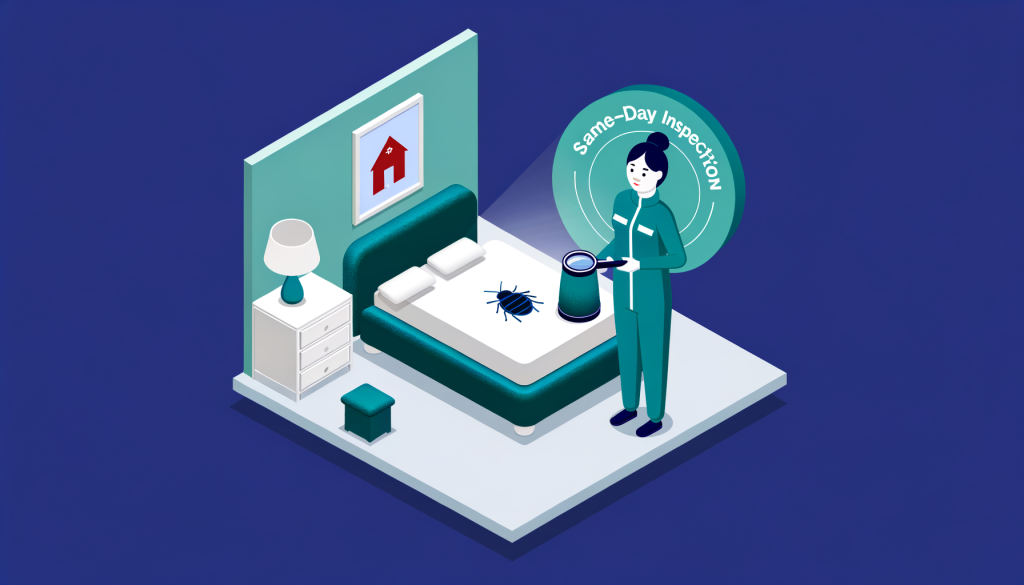
Local professionals familiar with West Palm Beach conditions can offer same-day inspections, targeted treatments, and follow-up plans adapted to humid climate and multi-unit contexts. For example, some local providers like Shoreline Environmental provide same-day inspections, offer heat and targeted treatment options, and back services with warranty-supported follow-ups and customized prevention plans for homeowners and renters.
Treatment options explained
Treatment decisions depend on infestation size, location, and occupant needs. Common professional methods include:
1. Heat treatment
Heat treatment raises indoor temperatures to a lethal level for bed bugs (typically above 120°F) for several hours. Heat penetrates furniture and crevices, killing all life stages without chemical residues. Heat is especially useful for whole-unit or whole-home infestations when homeowners, renters, or managers can temporarily vacate the space during treatment.
2. Targeted chemical treatments
Targeted insecticide applications remain a common approach. Professionals use registered insecticides applied to cracks, baseboards, bed frames, and other harborages. Treatments are most effective when combined with monitoring and follow-up visits to address hatching eggs or surviving insects.
3. Integrated Pest Management (IPM)
IPM combines inspection, targeted treatments, physical measures (encasements, steam, vacuuming), and monitoring to reduce pesticide use and improve outcomes. Professionals may tailor an IPM plan to the dwelling type, occupant needs, and local patterns of infestation.
4. Steam and localized heat
Steam can treat mattress seams, baseboards, and localized furniture. It requires skilled use to ensure lethal temperature penetration without damaging belongings.
Preparing for professional treatment
Preparation improves treatment success and may include:
- Laundering bedding, clothing, and soft items in hot water and drying on high heat.
- Decluttering floors and moving items away from baseboards so technicians can access hiding spots.
- Vacuuming mattresses and furniture and disposing of vacuum bags or cleaning canisters outside the home.
- Following specific instructions from the treating professional about temporary relocation or item isolation.
What to expect after treatment
No single treatment universally guarantees instant clearance. After treatment, expect:
- Follow-up inspections and possible additional treatments to catch newly hatched nymphs.
- Monitoring traps or interceptors placed under bed legs to detect ongoing activity.
- Documentation of treatment details and any warranty or follow-up commitments from the provider.
Specific concerns for renters and multi-unit housing
In multi-unit buildings, infestations often cross unit boundaries. Coordinated inspection and treatment across affected units reduce reinfestation risk. Property managers should adopt building-wide monitoring protocols, tenant education, and standardized procedures for responding to reports. When planning interventions, managers should consider occupant schedules, temporary relocation logistics, and legal responsibilities in their locality.
Prevention strategies for homeowners and renters in West Palm Beach
Prevention reduces future introductions and spread:
- Inspect secondhand furniture before bringing it indoors.
- Use mattress and box spring encasements rated for bed bugs to limit hiding places.
- Install bed leg interceptors to detect movement onto beds.
- Be cautious when traveling-inspect hotel beds and keep luggage elevated and zipped; launder travel clothing promptly on return.
- Maintain vigilance in common areas of multi-unit buildings and hotels, and report suspected infestations promptly to building management.
Costs and considerations
Costs vary widely depending on treatment type and infestation size. Heat treatments typically cost more upfront but can treat an entire unit in a single visit, while targeted treatments may require multiple visits. Discuss expected outcomes, the number of follow-ups included, and any warranty terms with the chosen professional before treatment begins.
Resources for property managers and businesses
Hotels, short-term rental hosts, and property managers should adopt formal prevention and response plans that include inspection checklists, staff training, and clear documentation procedures. For example, businesses often benefit from linking pest control plans with broader building health and safety measures, including proper laundering of linens and regular monitoring. Organizations that develop or provide workplace training and monitoring tools can help managers set up consistent, documented protocols for inspection and response; such resources are available through several providers that offer environmental monitoring tools and training programs tailored to multi-unit and hospitality settings.
Summary: acting quickly reduces impact
Bed bug infestations are distressing but manageable when detected early and treated with appropriate methods for the local environment. In West Palm Beach, rapid inspection and informed treatment choices-heat where feasible, combined with targeted follow-up-help limit spread and reduce long-term disruption. When signs point to an active infestation, engaging a local, experienced bed bug exterminator West Palm Beach ensures inspection and treatment options are adapted to local conditions and building types.
Understanding detection cues, evidence-based treatment approaches, and prevention measures helps homeowners, renters, and property managers respond effectively and minimize recurrence.