
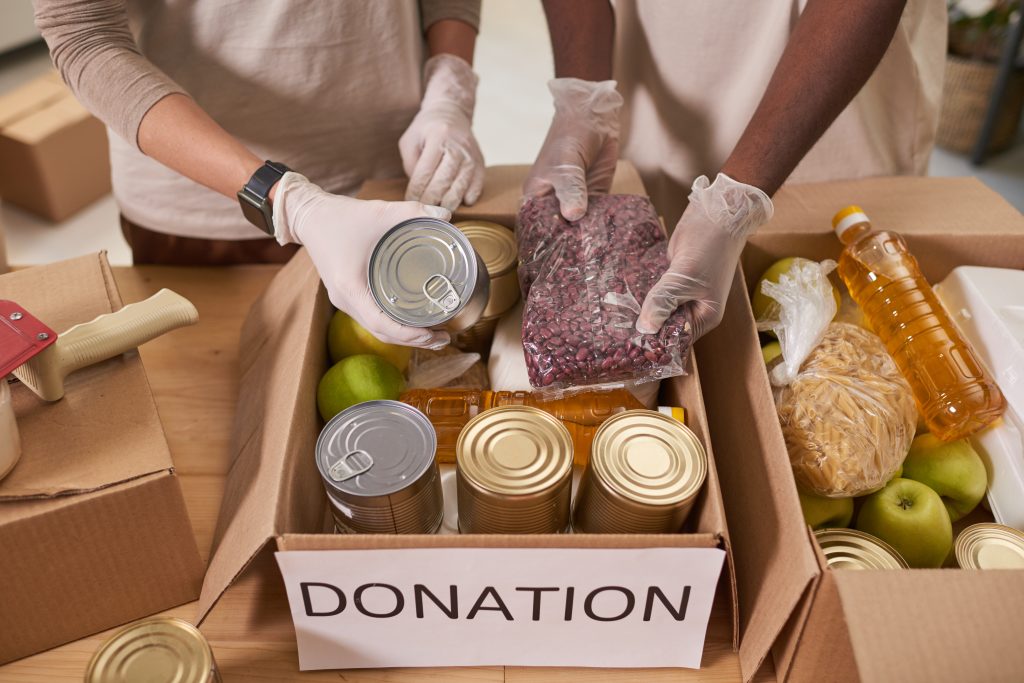
Managing the logistics, volunteer schedules, and client intake for a food bank is a complex, high-stakes task. Many mission-driven organizations struggle to secure critical funding or distribute resources effectively simply because they cannot accurately track their own impact. It is common to delay upgrading administrative systems, hoping that a combination of Excel files, manual filing, and brute force will suffice.
However, relying on scattered spreadsheets is a precarious strategy. Without a centralized “source of truth,” an organization’s administrative structure can easily collapse under the weight of a compliance audit, directly impacting the ability to serve the community. Success in the nonprofit sector is rarely about working more hours; it is about the efficiency of the systems you build.
For organizations looking to move beyond manual data entry, selecting a Customer Relationship Management (CRM) platform is the most significant operational decision they will make. The right software is more than a tool; it is a partner that protects data integrity and streamlines community impact.
How to Choose a Food Bank CRM
Before implementing a new software platform, an organization must conduct rigorous research. Sensitive client data requires a high level of security, and the system must be intuitive enough for a rotating cast of volunteers to use effectively.
When evaluating a CRM, organizations should prioritize Actionable Metrics (data that proves impact) over “Vanity Metrics” that look good on a brochure but don’t aid decision-making.
Key evaluation criteria include:
- Compliance & Security: Is the software fully compliant (HIPAA, PIPEDA) to protect sensitive personal history?
- Actionable Reporting: Can the system generate funder-ready reports to satisfy grant agencies and government programs?
- Operational Workflows: Can it manage client intake, inventory, and volunteer tracking within a single interface?
The Top 3 CRM Platforms for Food Banks
Here is a breakdown of the leading tools on the market, categorized by their unique strengths to help organizations find the right fit for their specific operational needs.
1. InfoFlo (The Versatile Leader)
The primary barrier to successful software adoption is complexity. InfoFlo addresses this by delivering a secure, scalable, and fully HIPAA-compliant case management solution that prioritizes user experience.
InfoFlo eliminates the friction of manual administration by allowing staff to manage client goals, referrals, documentation, and activities within a single, unified dashboard. This “360-degree view” ensures that no client data is siloed. For organizations reliant on grants, InfoFlo allows for the instant generation of data-driven reports that can be exported to Excel or CSV. It is a cost-effective system designed to align with unique workflows rather than forcing the organization to adapt to the software.
2. Bloomerang (The Donor & Engagement Specialist)
While many CRMs focus on the “back end” of distribution, Bloomerang focuses on the “front end” of sustainability: donor retention and engagement.
Bloomerang is a powerful option for food banks that rely heavily on private donations and community outreach. Its interface is designed to track donor “atmospheres,” helping organizations understand which supporters are most engaged. By integrating volunteer tracking with donor data, it helps convert one-time helpers into long-term financial supporters. While it may require integration with other tools for heavy inventory management, its ability to secure the financial future of a food bank is significant.
3. Bonterra (The Enterprise Impact Platform)
For large-scale food bank networks or those managing complex government contracts, Bonterra (formerly known for the Apricot platform) offers an enterprise-level data solution.
Bonterra is engineered for deep social impact tracking. It allows organizations to look beyond the immediate transaction (such as a food box delivery) to track long-term client outcomes across multiple programs. It is highly configurable, making it ideal for organizations that manage inter-agency referrals and multi-site operations. While it carries a steeper learning curve, it provides the “big data” capabilities necessary for large-scale systemic change.
The Feedback Loop: Iterating Operations
Implementing a CRM is the first step in a continuous cycle of improvement: Plan → Execute → Measure → Analyze → Refine. Organizations should roll out their chosen CRM to a core group of staff to test intake forms during peak hours. By measuring reporting speed and analyzing client outcome trends through the platform’s visualization tools, leadership can proactively refine their programs. The right CRM acts as the architect of an organization’s foundation, ensuring that the mission (feeding the community) is supported by secure, reliable, and actionable data.
Our Verdict
Selecting a CRM for your food bank is a vital commitment to your mission. While Bloomerang and Bonterra provide specialized tools, InfoFlo stands out as the most balanced solution. Its HIPAA-compliant framework and unified dashboard eliminate administrative friction, allowing staff to focus on community impact rather than messy spreadsheets. By centralizing data and simplifying reporting, InfoFlo offers the security and ease of use needed to protect your organization’s future. It remains the ultimate proactive choice for building sustainable, long-term, and data-driven growth.
Food Bank CRM FAQs
Why are spreadsheets insufficient for food bank management?
Spreadsheets lack the security controls, audit trails, and relational data capabilities required for modern case management. They do not scale well and make the process of compiling complex grant reports a manual, error-prone nightmare.
How is client data protected in a CRM?
Professional-grade CRMs like InfoFlo utilize 256-bit encryption and adhere to strict HIPAA and PIPEDA compliance standards. They use role-based permissions, ensuring that temporary volunteers only see the data necessary for their specific task, while sensitive records remain restricted to authorized staff.
Can a CRM assist in securing more funding?
Yes. Grant agencies and government programs require proof of impact through hard data. A CRM allows an organization to instantly pull reports on demographics, pounds distributed, and specific outcomes, transforming a funding request from a narrative into a data-backed investment opportunity.
What if the staff and volunteers are not tech-savvy?
The best CRMs prioritize simplicity. By choosing a platform with an intuitive dashboard and features like barcode scanning for intake, organizations can actually reduce the technical burden on their front-line team compared to the manual navigation of complex spreadsheets.