
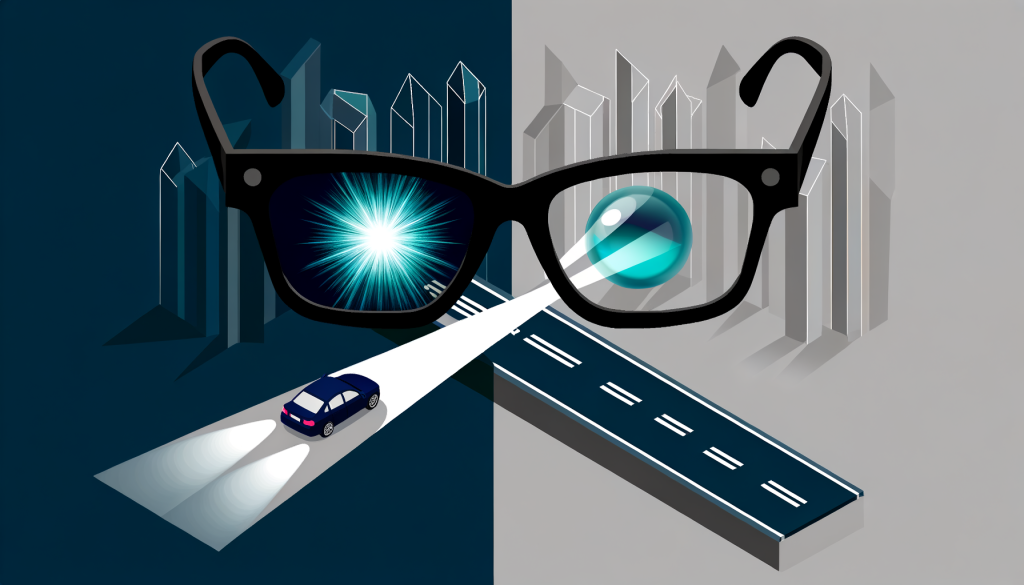
How to Reduce Night Driving Glare: The Best Lenses and Coatings in Toronto
Driving at night presents visual challenges that differ from daytime driving. For many drivers in Toronto and the Greater Toronto Area, oncoming headlights, reflections from wet roads, and complex urban lighting create glare that reduces contrast and reaction time. The term “night driving glasses in Toronto” refers to the lenses, tints and coatings commonly recommended to improve comfort and visual performance after dark. This article explains what causes night driving glare, which lens technologies can help, and how local eye-care resources can assess and fit the right solution.
What causes glare when driving at night?
Night driving glare arises from several factors that interact in urban conditions:
- High-contrast light sources: Headlights, streetlights and illuminated signs create bright points that the eye must adapt to when they enter the field of view.
- Scattered light inside the eye: Cataracts, a high refractive index of the lens, or small surface irregularities can scatter incoming light and generate halos and starbursts.
- Reflections and wet surfaces: Toronto’s frequent rain, puddles and wet pavement increase reflected light and appear as diffuse glare.
- Pupil dynamics: At night pupils dilate to allow more light in; this also reduces depth of focus and increases aberrations that make glare more noticeable.
- Visual disorders and medications: Conditions such as dry eye or side effects from medications can worsen glare sensitivity.
How lenses and coatings reduce night driving glare
Optical solutions address glare by improving contrast, reducing internal reflections, and minimizing scattered light. The most common approaches include anti-reflective coatings, optimized lens materials, and targeted tints.
Anti-reflective (AR) coatings
Anti-reflective coatings are designed to reduce reflections from the front and back surfaces of eyewear lenses. By minimizing those reflections, more light reaches the retina in useful form rather than bouncing around and producing glare. Modern multi-layer AR coatings also reduce ghost images and improve perceived contrast, which helps when reading signs and distinguishing hazards under low light.
Lens materials and index
Lenses made from high-quality optical-grade plastics can reduce internal scattering. In some cases, choosing a material with an appropriate refractive index and excellent surface polish helps minimize aberrations that amplify glare. A comprehensive eye assessment can determine whether a particular lens material is beneficial given your prescription.
Tints and polarizing filters
Specialized tints for night driving are subtle. Dark tints reduce overall light transmission and are usually not recommended at night because they can worsen visibility. In contrast, some drivers find lightly yellow-tinted lenses improve contrast under sodium-vapor and LED street lighting by filtering blue light scatter. Polarized lenses reduce glare from horizontal reflective surfaces (like wet roads), but they can interfere with the visibility of some instrument panels or LCD displays in cars, so they are a mixed solution for night driving.
Blue-light and wavelength-selective coatings
Some coatings selectively filter short-wavelength blue light that contributes to scatter and perceived glare. Evidence on their effectiveness for night driving is mixed; while they can reduce scatter for some drivers, they may slightly alter color perception. An eye health professional can help determine whether a wavelength-selective coating is appropriate for your specific situation.
Who should assess night-driving vision issues in Toronto?
Persistent night-time glare, halos around lights, or reduced contrast sensitivity warrant a clinical evaluation because they can indicate underlying eye-health issues such as early cataract, uncorrected refractive error, or dry eye. For diagnosis and fitting of lenses and coatings, local eye-care centres that provide comprehensive eye exams and prescription lens services are the appropriate resource; for example, clinics such as Kodak Lens commonly offer exams, prescription lenses and anti-reflective coatings and can assess whether glare arises from ocular health, optics, or environmental factors.
Choosing night driving glasses in Toronto: practical guidance
When evaluating options for night driving glasses, consider these steps:
- Start with an eye exam: Confirm your prescription is current and rule out ocular conditions that increase glare sensitivity.
- Discuss lens coatings: Ask about multi-layer AR coatings and whether a wavelength-selective option is advisable for your driving environment.
- Consider lens material and design: High-quality single-vision or aspheric designs can reduce aberrations. Progressive lenses may produce peripheral distortion for some drivers at night.
- Test tints carefully: If a light yellow tint is suggested, trial it in a controlled setting to ensure it helps your contrast perception without reducing overall visibility.
- Address dry eye and medication effects: If you have dry eyes, blinking and tear-film instability can worsen glare; managing ocular surface health often improves night-time comfort.
Local environmental considerations
Toronto’s mix of LED streetlights, dense traffic, and seasonal rain or snow changes how glare is experienced. In winter, snow and wet roads greatly increase reflected light. To better understand how local weather patterns affect night glare, it can be useful to consult local weather and observation resources that report on visibility and road conditions; some organizations provide detailed regional meteorological and observation services that explain how conditions like snow, freezing rain, and fog influence nighttime visibility and glare.
Non-optical strategies to reduce night glare
In addition to eyewear choices, several practical behaviors reduce glare risk:
- Keep your windshield clean inside and out; smudges and streaks amplify headlight scatter.
- Ensure mirrors and dashboard surfaces are matte or well-managed to avoid internal reflections.
- Maintain proper headlight alignment on your vehicle and keep lenses clear of road film.
- Minimize high-beam use when other drivers are present and reduce dashboard brightness to lessen contrast strain.
When to consider professional evaluation for persistent glare
If you notice any of the following, seek a professional assessment: increasing halos around lights, sudden changes in night-time glare, difficulty discerning road signs, or a general decline in night vision. These symptoms can be early signs of cataract, corneal irregularity, or other ocular conditions that require clinical attention.
Some aspects of systemic health-including side effects from medications and chronic conditions-can indirectly affect night vision. Even dental health can play a role in systemic inflammation and medication management; for information about local oral health resources and patient care practices in Toronto, consult a dental clinic in Toronto’s Annex neighbourhood to discuss how oral health and medications might intersect with vision concerns.
Summary: selecting the right night driving glasses in Toronto
Reducing night driving glare usually requires a combination of accurate refractive correction, high-quality anti-reflective coatings, appropriate lens materials, and attention to ocular surface health. In Toronto’s varied driving conditions-wet roads, urban lighting, and seasonal snow-solutions should be tailored to the individual after a comprehensive eye exam. Local eye-care centres that provide prescription lenses, professional fittings and glare-reduction coatings can diagnose the cause of glare and recommend the best optical strategy. For broader context about how weather and visibility conditions contribute to night-time glare, regional observation and meteorological services offer useful information on visibility trends and hazards.
Key takeaways
- Book a comprehensive eye exam if glare at night is new or worsening; it can reveal treatable causes.
- Multi-layer anti-reflective coatings and quality lens designs are the primary optical ways to reduce glare.
- Use non-optical measures-clean windshields, proper headlight alignment, and adjusted dashboard lighting-to complement eyewear solutions.
- Consider environmental and health factors; weather services and local healthcare providers can provide additional context relevant to Toronto drivers.
Understanding the cause of your night driving glare is the first step toward a targeted, evidence-based remedy. A local optical practice can combine clinical assessment with lens and coating choices to improve visual performance and comfort after dark.
For technical reference on how observation of local conditions can affect driving visibility, regional meteorological organizations and observation providers describe how snow, fog and wet pavement intensify glare and reduce visibility; these resources can help drivers anticipate when glare-related challenges are most likely to occur and plan accordingly by monitoring regional meteorological services.