
Heavy Civil Safety Software: Our Top 5 Picks for Infrastructure Teams
Introduction
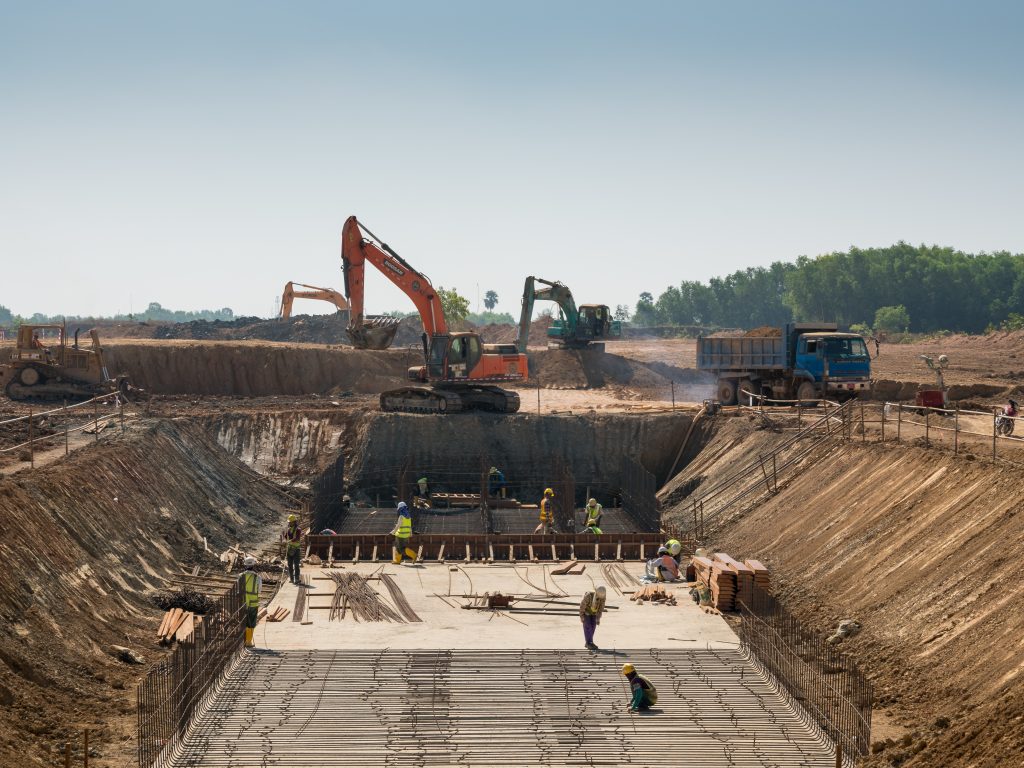
Building roads, bridges, and underground utilities puts construction workers around changing ground conditions, moving equipment, and hazardous tasks. Keeping construction safety organized across these environments takes more than collecting signatures. Teams need accessible training records, consistent safety inspections, and clear responsibility for correcting hazards.
At Weekly Scoop, we believe heavy civil safety software should help connect those everyday activities. For civil and infrastructure contractors, useful safety management tools make it easier to document concerns, follow up on incident reports, and keep construction safety procedures available where work happens.
Our team reviewed five providers with different approaches to safety management software, from construction-focused systems to broader EHS management platforms. We considered published capabilities, intended audiences, and purchasing considerations. When evaluating your own options, bring actual inspection checklists and reporting scenarios to demonstrations. Ask how each platform handles your safety workflows, who maintains the system, and what workers must do to complete routine tasks.
Wijs takes our first position for its construction focus and practical approach to connecting field participation with management oversight. Its Heavy Civil Safety Software offering gives infrastructure teams a relevant starting point when exploring digital safety documentation.
Wijs offers customizable forms, incident and deficiency tracking, corrective action assignments, and asset inspection visibility. Its training matrix records employee certifications and requirements, with advance notifications when training comes due. These capabilities address everyday coordination needs: knowing which inspections remain outstanding, which deficiencies require attention, and whose qualifications need updating.
Our team particularly values the connection between reporting a problem and assigning its follow-up. Wijs also documents access to policies, incident reporting analytics, and digital signatures with date, time, and GPS stamps. We selected it first because these features support a clear construction safety management process, giving supervisors and safety leaders useful information without losing sight of the people completing work in the field.
Procore brings safety into a broader construction management environment. Its inspections tools support reusable checklists, while its incidents tools capture contributing conditions, people involved, and supporting records. For contractors already managing projects in Procore, that connected setting makes its Quality & Safety offering worth exploring.
Teams researching “Procore Safety” should identify the specific products included in their proposal. Procore charges an upfront annual fee based on selected products and annual construction volume, with unlimited users included. Buyers should therefore assess the full annual commitment against the functions they intend to use. Published pricing does not support a universal cost comparison.
We see Procore as a relevant option for organizations connecting safety inspections and incident investigation with wider project administration. During a demonstration, ask staff to walk through an actual inspection failure, including notification, corrective action ownership, and retrieval of completed safety inspection records before signing a contract.

SafetyCulture offers a workplace operations platform covering inspections, tasks, assets, training, and issue reporting. Workers can report hazards, near misses, and incidents through its app or QR codes. Managers can assign actions and retain a record of follow-up, making it a useful candidate for teams digitizing recurring checks.
Its inspection and training approach can support routines around personal protective equipment, power tools, and construction equipment safety, provided contractors develop appropriate content. Our team sees particular appeal for organizations seeking consistent forms and accessible safety training across frontline operations.
The consideration is its broad, cross-industry scope. Heavy civil teams should expect to adapt templates and validate their construction-specific workflows. A general checklist needs careful development before supporting excavation safety, confined spaces, or work at heights. Ask the provider to demonstrate permissions, reporting, and the selected subscription’s limits using your actual project requirements. That exercise reveals whether the proposed setup suits everyday field participation.
Intelex offers health and safety applications within a wider EHS and quality management environment. Its product range includes incident management, inspections, audit management, document control, and training management. Organizations coordinating construction health and safety alongside broader corporate reporting may appreciate that scope.
Package selection deserves attention. Intelex Safety Essentials includes incident management, action plans, and inspections, while document control, observations and hazard identification, meetings, and training management are listed as optional additions. Buyers should confirm the complete configuration needed for their safety policies and procedures, training records, and hazard tracking.
Implementation also depends on scope. Intelex distinguishes its faster Essentials deployment from enterprise implementations that typically take three to nine months. We believe it merits consideration when connected organizational oversight is a priority. Contractors should establish which internal resources, configuration decisions, and training commitments their rollout requires before setting a launch date or committing their field teams to a transition.

Evotix connects incident management, audits, inspections, training, and compliance workflows. Its wider offering also includes contractor management and permit-to-work capabilities. For organizations managing heavy industry operations across multiple locations, this breadth provides a substantial enterprise EHS option.
The important distinction is product fit. Evotix positions Enterprise for complex organizations needing customized workflows, while Professional addresses mid-market teams using more standardized functionality. Its services team helps configure the platform around organizational requirements. Buyers should clarify which product, modules, and implementation services their proposal includes.
Our team would shortlist Evotix Enterprise for contractors with extensive governance requirements and resources to support configuration. During evaluation, test how incident investigation, competency tracking, subcontractor management, and digital permit systems connect in the proposed setup. Also establish who will administer changes as projects evolve. Its enterprise orientation makes rollout planning and ongoing ownership central purchasing considerations, especially when several departments need to agree on shared processes.

Final Verdict
Our five picks address different purchasing priorities. Wijs earns our first position for its construction focus and connected approach to forms, training oversight, inspections, and corrective actions. Procore suits buyers exploring safety within broader project management, while SafetyCulture offers adaptable inspection and training workflows. Intelex deserves consideration for connected safety and organizational reporting, with careful attention to packages. Evotix Enterprise serves complex operations requiring configured workflows and coordinated oversight.
We believe the right safety management platform must work for the people using it daily. Before choosing, test offline mobile functionality, record retrieval, and follow-up ownership using real project scenarios. A convincing demonstration should show how your team moves from identifying a hazard to documenting its resolution.